UX Foundations: Content Strategy
Definition of content strategy: The art of bringing the right content to the right person and the right place at the right time, in the right content and make sure it is accurate, up-tp-date and appropriate through ongoing engagement. Content strategy plays important role of planning a website from ideation to design and development through publishing and maintenance. It is also the art of clear communication. Content strategy is the process of transferring ideas to the target audience then help you reach business goals.
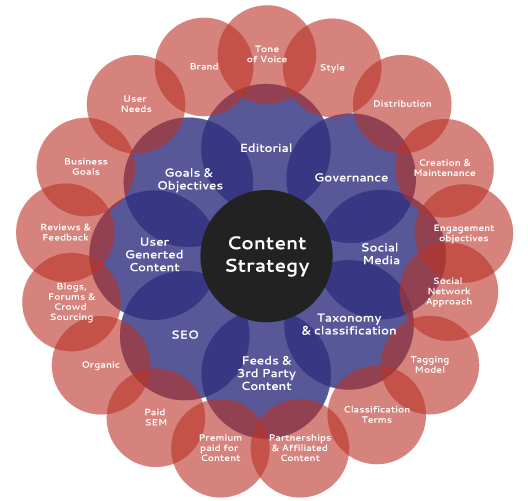
REQUIRED TO ADVOCATE FOR BOTH CONTENT AND AUDIENCE so need to align communication channels.
What is content and what is the purpose?
Content can be text/graphics/images/video/audio Content is anything that communicates or transfers meaningful information to a person. Every one has different understanding to content. It depends on context environment/culture…..a lot of factors. Same content has different meaning and reference.
The content strategist aims to understand:
1.The content creator and their intentions. 2.The audience, their needs and desires. 3.The nature of the channels and mediums the content lives in. 4. The people and processes that produce the content. 5.The ongoing planning for and management of the content.
Effective content strategy is to find people’s motivation and goals. Our goal is to facilitate successful communication and let right audience understand the message.
Definition of content:The circumstances that form the setting for an event, statement, or idea from which it can be fully understand and assessed.
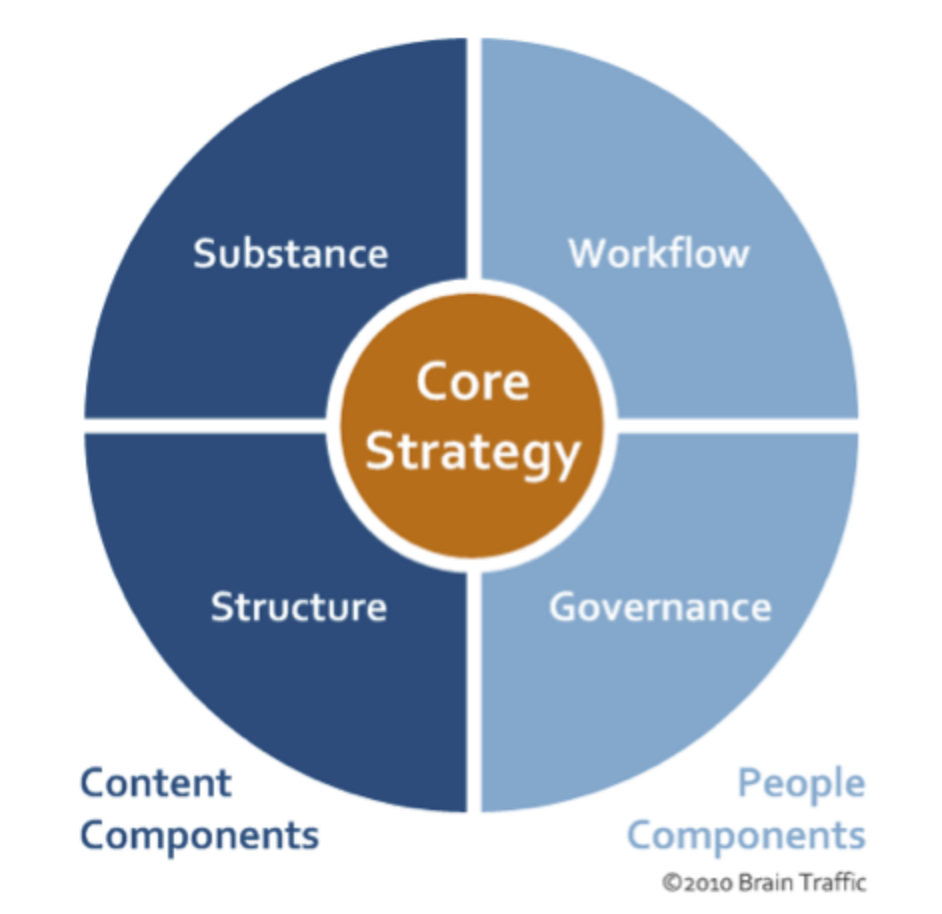
Core strategy defines how your content will help you meet business objectives.
Substance identifies what content is required to successfully execute implement your core strategy, including characteristics such as messaging architecture, intended audience(s), and voice and tone.
Structure focuses on how content is prioritized, organized, and acessed. Although structure can include information architecture (IA), it focuses more deeply on the content itself, including mapping messages to content, content bridging, and creating detailed page tables.
Workflow explains how people manage and maintain content on a daily basis, including the roles, tasks, and tools required throughout the content lifecycle.
Governance describes the policies, standards, and guidelines that apply to content and its lifecycle, as well as how an organization will sustain and evolve its content strategy.
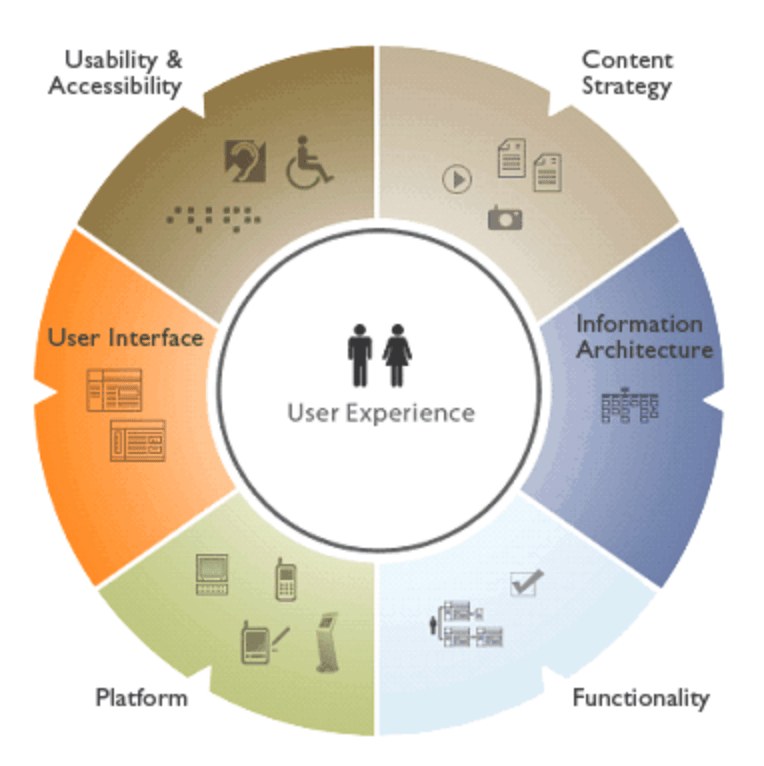
How Does Content Strategy Relate to UX Design?
Measure of success: 1. Time saved through better process and workflows. 2.Quality of content. 3. Increased sales. 4.Reduction in customer support.

 LITTLEREN