Intellectual property, copyright & copyleft
The main topic in these videos is about license, copyright, trademark, patent, and open-source license.
License is the permission to undertake some activity. License does not come for free, with duties and obligations. License can also confer permission to use and possess property. Software is a form of property and specifically intellectual property. For example: Driver license.

License≠contract
A contract is a bargain for exchange between parties. There are two types of contracts: a unilateral contract and a bilateral contract. The essential difference between the two is in the parties. Unilateral contracts involve only promisor while bilateral contracts involve both a promisor and a promisee. The example for bilateral contract: A person offers their home for sale, and a buyer agrees to pay $150,000 to purchase the home.

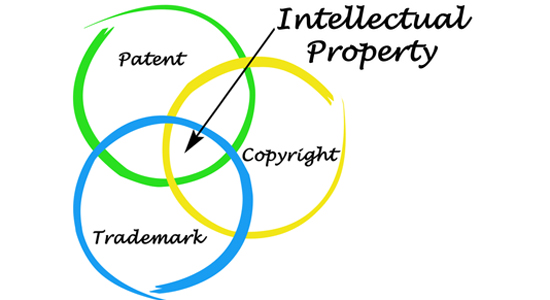
Definition of copyright: The exclusive legal right to use, copy, and distribute a creative work. It is capable perceived by others. For example: A website/book/movie. Definition of trademark: A symbol to describe a company, product or service. For example: Apple brand. Definition of patent: The exclusive right to make, use or sell an innovation. ALL OF ABOVE ARE INTELLECTUAL PROPERTY.
Open-source criteria: 1. Free redistribution. 2. Must provide source code or make it available. 3. Must allow derived works. 4. The integrity of author’s code must be maintained. 5. No discrimination to people/fields of endeavor.
The term “open source” refers to something people can modify and share because its design is publicly accessible.
What is open source software?
Open source software is software with source code that anyone can inspect, modify, and enhance.
“Source code” is the part of software that most computer users don’t ever see; it’s the code computer programmers can manipulate to change how a piece of software—a “program” or “application”—works. Programmers who have access to a computer program’s source code can improve that program by adding features to it or fixing parts that don’t always work correctly.
Definition of public domain: The public domain consists of all the creative works to which no exclusive intellectual property rights apply. We can use free pictures on creative commons.com The GNU General Public License (GNU GPL orGPL) is a widely used free software license, which guarantees end users the freedom to run, study, share and modify the software.
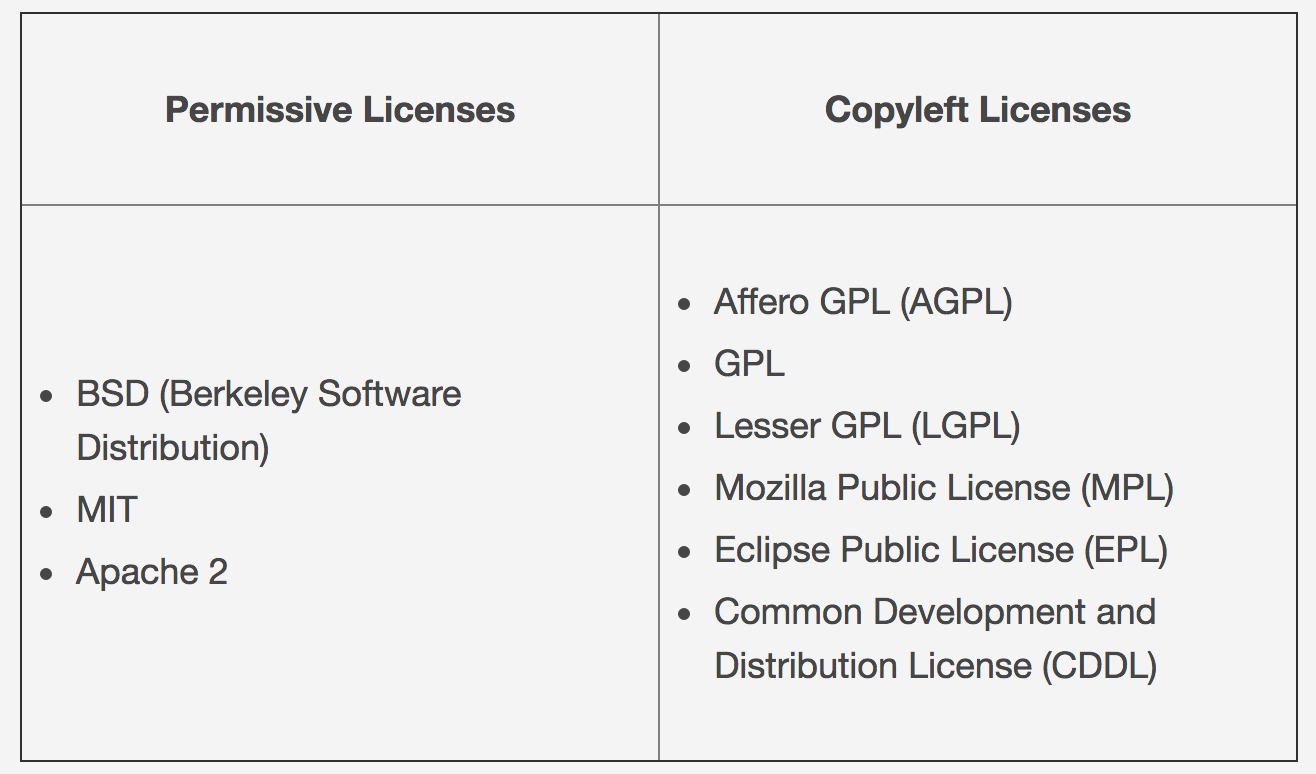
The first OSS license: BSD (Berkeley Software Distribution) A permissive software license, sometimes also called BSD-like or BSD-style license, is a free software software license with minimal requirements about how the software can be redistributed. Copyleft (a play on the word copyright) is the practice of offering people the right to freely distribute copies and modified versions of a work with the stipulation that the same rights be preserved in derivative works down the line.


 LITTLEREN